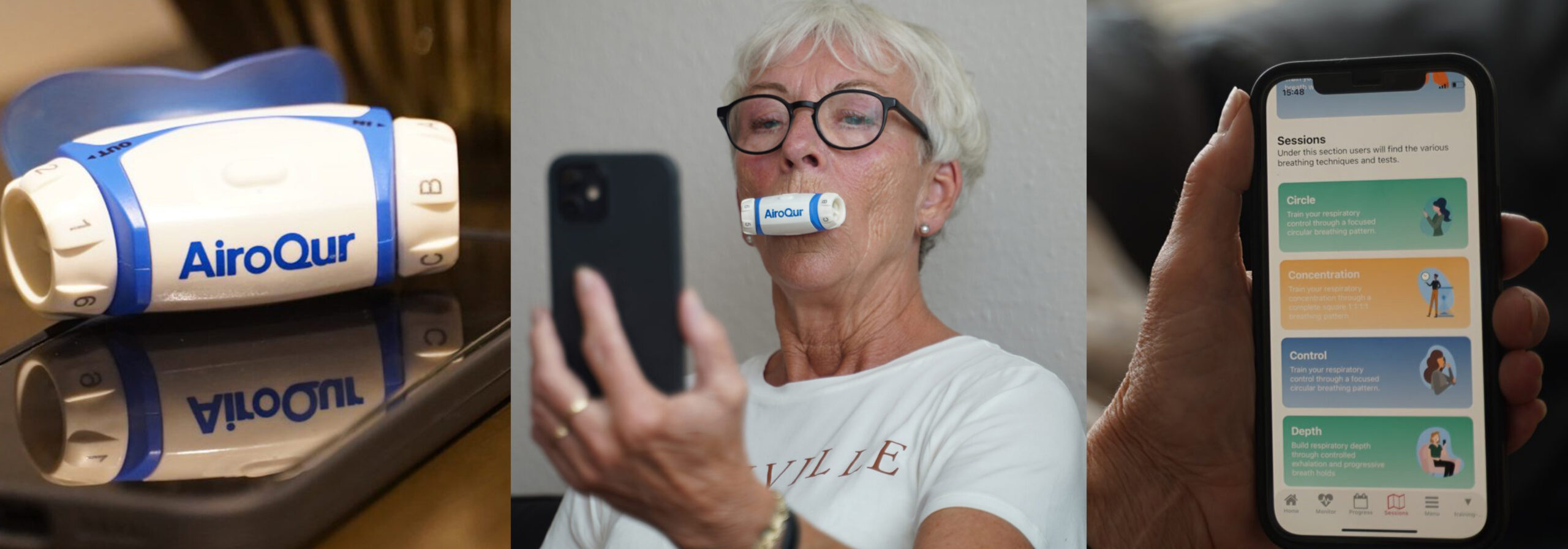
Take control of your health and get more air
Respiratory muscle training (RMT) is the drug-free method to help your breathe better and deeper than ever before.
Reduce breathlessness
Well-trained breathing muscles are flexible and adaptive easing more air into the lungs as your airway inflammation and muscle tension lessens.
Rejuvenate lungs
Chronic patients can postpone premature aging of the lungs by rebuilding the strength they lost to age and disease.
Boost energy
Working less for each mouthful of air helps you fight the tiredness, and lack of energy that challenges people with respiratory difficulties.
Revolutionary treatment for COPD
Respiratory Muscle Training (RMT) is a 100% natural training method that helps you fight COPD symptoms.
Fight COVID with a scientifically proven method
Reclaim your life from the most common long-COVID symptoms with breathing training made simple.
Your natural asthma assistant
Respiratory muscle training (RMT) is the drug-free bronchial treatment that can help you fight off breathlessness, chest pain and wheezing.
Focus your training – breathe deeper
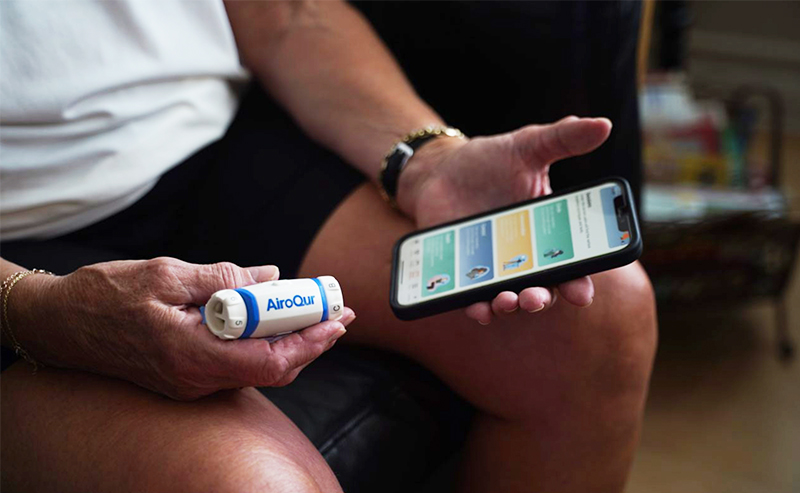
Shortness of breath, coughing, and mucus are caused by your airways being swollen, irritated, and narrowed. This results in shallow breathing patterns, weakening your respiratory muscles as they become more passive.
RMT helps you isolate and train the muscles that are otherwise not put to the test. Consider breath training a ‘gym for your lungs’ that helps you rebuild strength and flexibility through safe and simple training.
The lungs start to decline already from the age of 25 years in healthy people. Struggling with respiratory disease, your lung health decreases even faster.
Exercising and strengthening your lung-relevant muscles complex is the simplest way to reduce this aging process. RMT helps you build resilience to fight off infections, improve your forced vital capacity, and can help you rewind the aggravated lung aging process.
Breathe efficiently – become more active
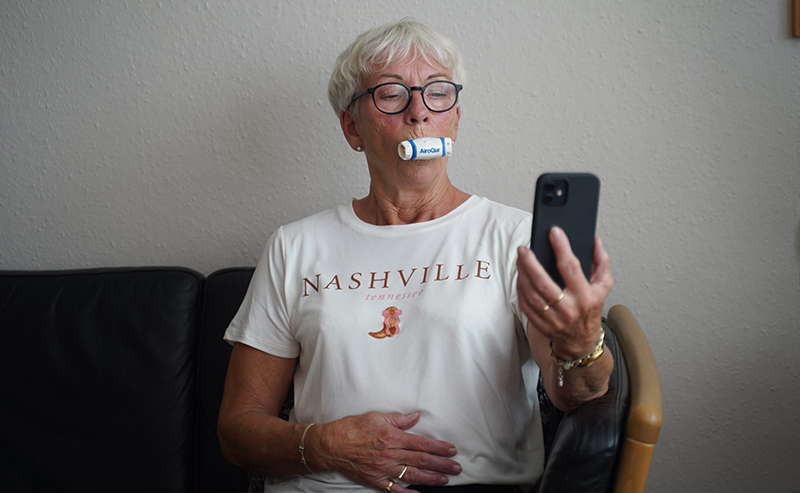
Tiredness and fatigue can have detrimental effects on the way we perceive our quality of life, research shows. It’s a feeling of being caged, not able to do what you want to.
Stronger and more adaptive breathing muscles work harder while consuming less of your energy. Your breathing will steadily become easier and deeper while your newfound air and energy feeds into a more energized, mobile, and active life. In other words, a happier you.